
Free Live Launch Event · Wednesday, October 21
Exhausted. On Edge. Irritable. How Did This Become Normal?
How to steady the anxiety underneath it, in 3 weeks.
Why your body stays on high alert, why the tips and tricks haven’t worked, and what it actually takes for calm to last.
Hosted by Sarah Day-Boodhoo, who helps women break through anxiety, overwhelm, and exhaustion, for good.
It’s 3 a.m. and your chest is tight. Nothing’s wrong. You can’t get back to sleep anyway.
Maybe it’s a clenched jaw. Maybe it’s a tightness in your chest. Maybe it’s a brain that feels exhausted, or a tired that never lifts. Even on a good day. Even on vacation.
You’ve probably tried a lot to calm it. Meditation and wellness apps. Supplements. Long walks. A glass of wine. Some of it helps, for an evening. Then it’s back.
That isn’t you failing at calm. It’s your nervous system, stuck on high alert, doing exactly what it learned to do. And it can settle. It needs the right foundation, in the right order, and consistent practice with what actually works for you, so it can take hold.
Why it keeps coming back
Have you been told it’s “just stress”? Or “just anxiety”?
And then handed a tip. A trick. A technique. Breathe in for four. Think positive. Try a gratitude list. Get more sleep, as if you hadn’t thought of that.
Or maybe you were handed nothing at all.
And it never worked. Or it worked for a moment, and then it stopped.
This is for you.
Here’s what nobody told you. Anxiety isn’t actually in your head. It lives in your body, and your head responds to your body’s signals. Your nervous system is built for short bursts of danger. When your body stays on high alert for months or years, it stops feeling like danger. It starts feeling like you.
You can spend years trying to change a pattern without ever releasing what created it in the first place. It isn’t sabotage. It’s protection.
And protection doesn’t let go while your body is still bracing. That’s where we start.Sarah Day-Boodhoo
In one evening
What you’ll walk away with
- Finally knowing why your body won’t settle, even when you know you’re safe
- Feeling your anxiety ease in your own body, live. Proof that it can.
- What it takes for steady to become your everyday, not temporary relief
Plus, two bonuses when you join live
Live, in the session
Feel Your Anxiety
Settle, Live
A guided two-minute exercise. Notice where anxiety sits in your body, then feel it ease, in real time.
Yours to keep
It’s Not
“Just Anxiety”
The guide to what your body is actually doing, and why. The tight chest, the clenched jaw, the 3 a.m. wake-ups, explained.
Where this goes next
Steady Ground
In one evening, you’ll feel your body start to settle. Steady Ground is how that becomes your everyday.
Three weeks of practice, with support, until it holds. A small group of women who know exactly what this feels like, with me guiding the way, so you head into the holidays steady instead of braced. The first cohort begins October 28.
How the evening works: The first 60 minutes are teaching and practice, for everyone. If you’re interested in Steady Ground, stay an extra 15 minutes to hear what it looks like and what it includes. Everyone who enrolls that night receives a special founders bonus.
Where it starts
It’s one problem, showing up in different ways.
It’s in how you talk to the people you love, and the guilt after. It’s the work you’re good at and still dread. It’s the Saturday you finally have free, spent catching up on everything else.
It feels like your relationships, your job, and your schedule are three separate problems. They aren’t. They’re one nervous system, stuck on high alert, showing up everywhere you go.
Most of us learned how to build muscle, keep our teeth clean, and which foods are good for the body. Almost none of us learned how to care for the system running underneath all of it.
That’s where we start. Steadiness leads. Your body has to feel safe enough to stand down before anything else can soften.
Nobody taught you how to steady your nervous system.
Or how to help your body stand down once anxiety kicks in.
Or how to make calm last longer than an evening.
Not because anyone failed.
Because nobody knew how, either.Sarah Day-Boodhoo
This is for you if
- You can’t relax, even though you know you’re not in danger
- You love your people, and you still snap at them
- You’ve read the books, done the work, maybe tried therapy. You understand your anxiety. Your body still hasn’t gotten the message.
- You’re the one everyone counts on, and you can’t remember the last time you felt calm all the way through
- You want steady to be your normal, not only for the hour after a yoga class or a calm weekend away. Your everyday.
You’re not in crisis. Not really. You have a real level of stability in your life. The job. The relationship. The workout routine you’ve actually stuck with. What you don’t understand is why you can’t enjoy any of it, and why your body won’t stand down.
That gap, between how your life looks and how your body feels, can start to feel like a crisis. Even on the days you know it isn’t one.
Save My Free Spot →A gentle note: if you’re in the middle of a mental health crisis right now, this isn’t the right place to start. Please reach out to a crisis line, a therapist, or someone you trust today. I want you supported there first.
What becomes possible
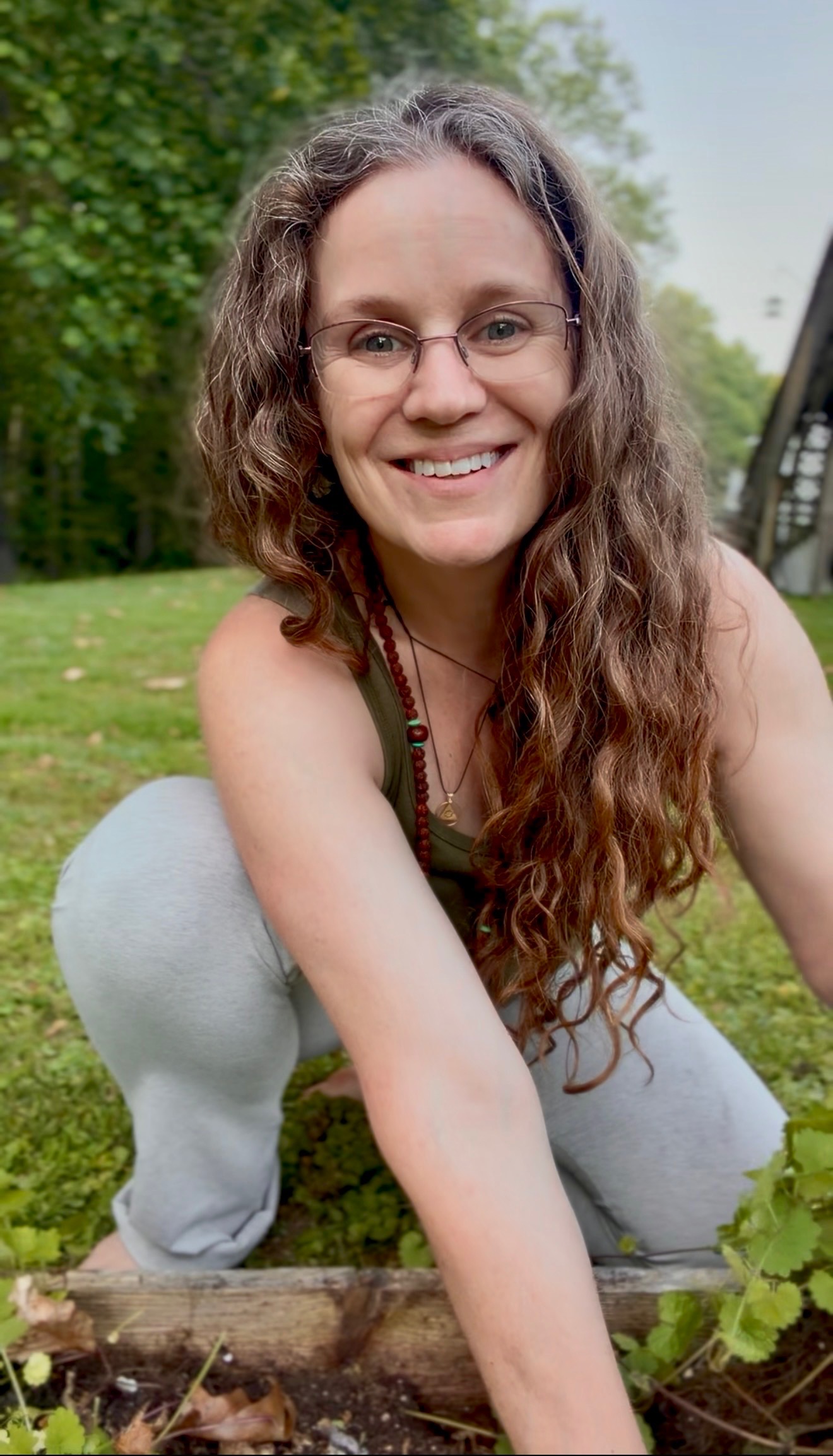
Imagine your body not bracing all day.
You wake up, and the first thing you feel isn’t dread. Small things stay small. Spilled coffee is spilled coffee.
Someone snaps at you, and you can respond instead of react. You hear what they’re actually saying, instead of getting ready for what comes next.
You sit down at the end of the day, and you can actually sit. The quiet doesn’t make you restless anymore.
You walk into the holidays steady. The same gatherings. The same lists. Your body isn’t bracing for any of it.
Calm stops being something you chase. It becomes the place you come back to.
That’s what steadying is for. And it starts in your body.
Why nothing has lasted
Your body isn’t fighting you. It’s trying to be heard.
Your nervous system is one of the most intelligent systems on the planet. When you use something to quiet it down, to calm the anxiety or the spinning mind, it might go along for a while. But it’s smarter than that. It wises up.
At some point, staying on guard kept you safe. So your body learned to stay there. It hasn’t had enough proof yet that it can let go.
Anxiety isn’t your body messing up. It’s a signal. And once you can read the signal, it stops feeling so random, and so scary.
Your body has been on guard long enough. It isn’t broken. It’s been protecting you. It needs to learn that it’s safe to stand down.Sarah Day-Boodhoo
Your host
Hi, I’m Sarah.
Before I was the calm one in the room, I was the one bracing.
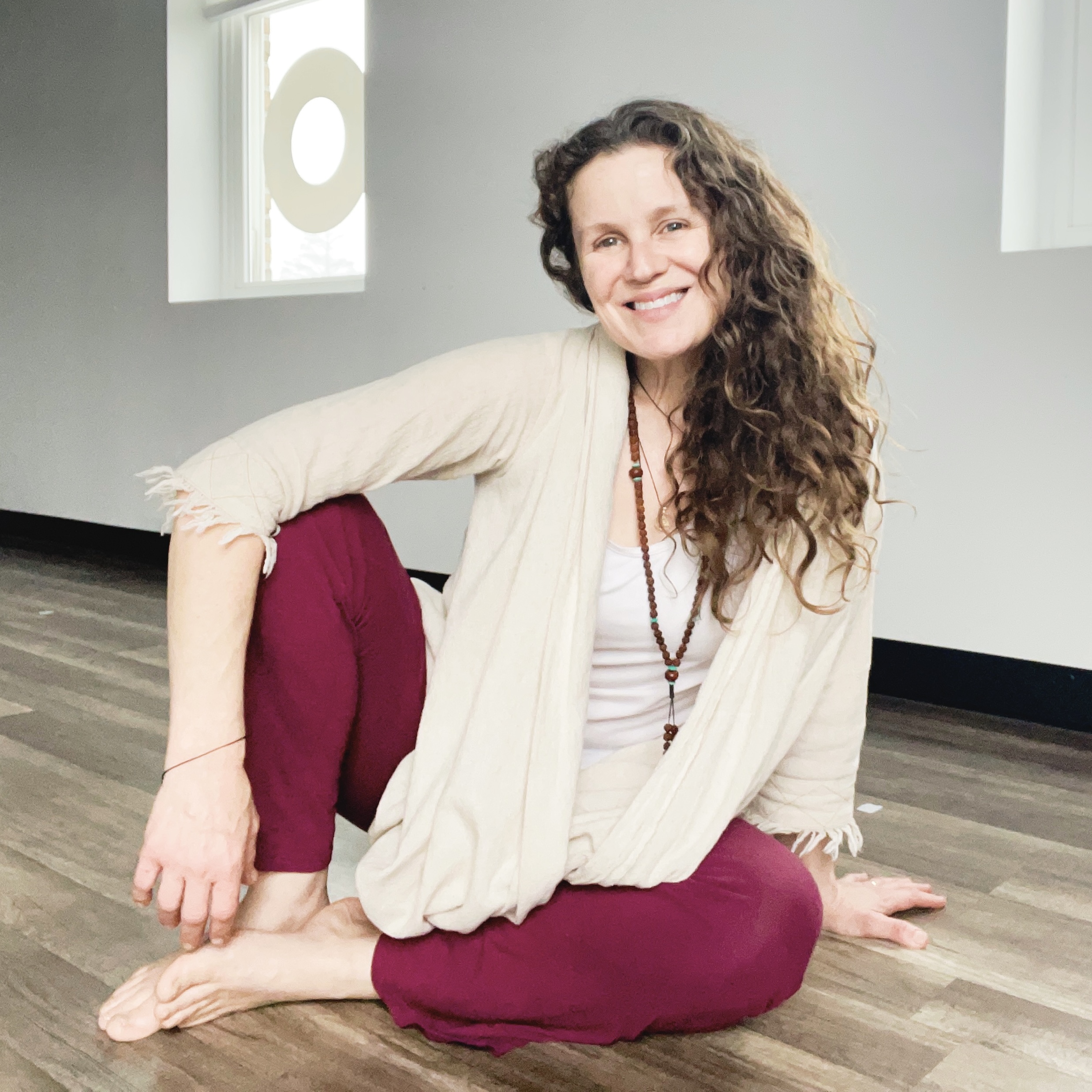
I grew up a country girl in Williamston, Michigan. Barefoot in the creek, digging up crayfish, hanging upside down from trees. I’ve been working since I was 14.
Then I moved to New York and spent years managing large Manhattan properties. High pressure, long days, a view of Times Square from the boardroom. I wore the new suits and did my best to fit the part. One morning I walked into a meeting in my brand new suit and my old flip-flops. The country girl was still in there.
From the outside, I looked fine. On the inside, I was on edge, irritable, and snapping at my family more than I want to admit. Easy, as my kids say now, to rage bait. I didn’t even think of myself as anxious. I thought that was how most people lived. It got to the point where I wondered if I needed to quit my job, or whether my marriage even had a future.
In 2004, mostly out of desperation, I started learning how to steady my own nervous system. What I found changed everything. By 2017, I knew this was more than something that helped me. I committed to it as my path, and I’ve been teaching it ever since.
Today I’m a wife and a mom. I teach yoga. I feel most like myself out on the trails, in the woods, with my feet in the river. And people often tell me that when I walk into a room, something settles. That isn’t a personality trait. It’s more than 20 years of practice. And it’s something your body can learn, too.
What you can count on from me
How I work
- I’ve lived every part of what I teach. I’m not describing a theory. I’m sharing what got me from on edge to steady, calm, and clear as my baseline.
- I’ll tell you the truth. No quick fixes, no pretending one evening or three weeks is a cure. Real change takes practice, and I’ll be honest about what that looks like.
- We go at your body’s pace. Nothing to relive, nothing forced. Your body opens when it’s ready, not before.
- You’re a person, not a number. I keep my groups small, so I know your name and what you’re carrying.
I created The Capacity Method from that same place. Steady Ground is where it starts.
RYT-500
What women are saying
Real words from real women
Common questions
What you might be wondering
Is the live exercise intense?
No. It’s about two minutes, and it’s gentle. You’ll notice where anxiety sits in your body, then feel it ease. Nothing to share, nothing to relive, and it ends with your body calmer than when you started.
What’s the guide?
It’s Not “Just Anxiety”: What Your Body Is Actually Doing, and Why. It explains the signals you’ve been living with, like the tight chest, the clenched jaw, and the 3 a.m. wake-ups, and what your body is doing when each one shows up. It’s sent only to those who join live.
Will I have to talk about my past?
No. This evening is about your body, right now. Nothing to rehash, nothing to share out loud.
Do I need my camera on?
It’s your call. But if you can, turn it on. The women who are fully present for the whole hour get the most out of it, especially during the live exercise.
Is this yoga?
No. There are no poses and nothing physical to do. You can join from your couch.
Is it actually free?
Yes. No card required. The session is 60 minutes. After that, I’ll stay on for an optional 15 minutes for anyone who wants to hear about joining Steady Ground. If that’s not you, head out after the hour with everything you came for.
Can I join Steady Ground that night?
Yes. Founding members can join at the end of the session. This first cohort is capped at 11 women, so spots are limited.
What if I’m already in therapy?
Wonderful. This doesn’t replace therapy. They do different things, and many women find them complementary.
Will there be a replay?
No. This one is live only, and the exercise and the guide are for live attendees. Put it on your calendar now.
Save your spot
Exhausted. On Edge. Irritable. How Did This Become Normal?
Wednesday, October 21 · 6:00 PM ET · Free, live on Zoom